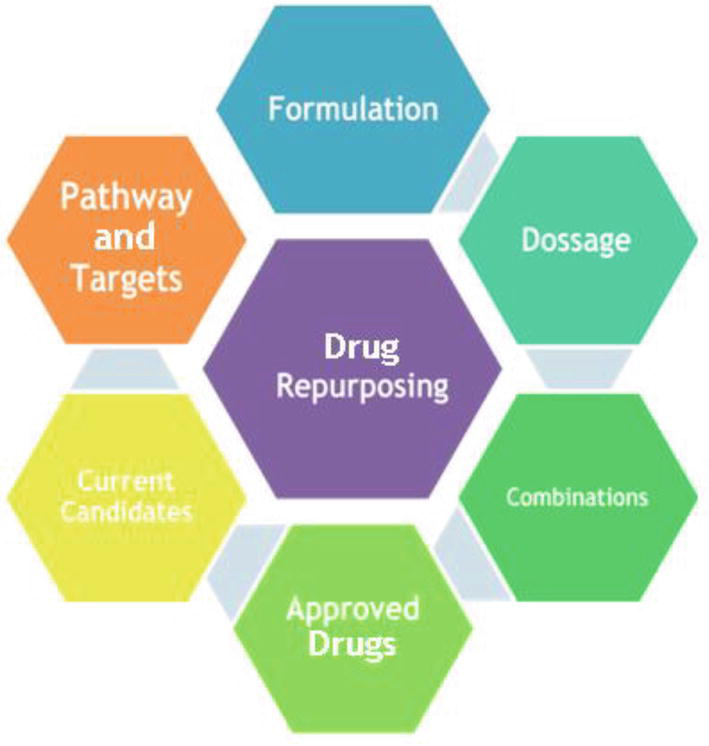
Cancer is one of the most prevalent causes for death, and yet the cost of drugs and treatments used to treat cancer are exorbitantly high. And that trend seems to continue, between 2010 and 2020 alone the expenditure for anticancer drugs was predicted to rise by 50%, compared to the overall rise of only 26%(Prasad et al., 2017). Due to this treatment for cancer isn’t accessible for most people, especially for countries with weak medical infrastructure and for those who don’t make a lot of money. Rather than developing new drugs to combat cancers, we can improve accessibility of treatments by taking drugs already on the market and reapplying them to oncology.
Affordability:
Repurposing drugs can greatly improve accessibility of cancer treatment across the board by reducing the cost of treatment for those taking it. Most cancer patients are unable to afford the sky high prices of drugs related to their treatment, in fact drugs used for oncology in particular are the most expensive costing $100,000 per year for a course of treatment(Prasad et al., 2017). To put it lightly its impossible for most people to afford their medication without going bankrupt over their medical bills, more so than on average. This problem is so common that the term “financial toxicity” has been coined to describe “the problems patients have related to the cost of medical care”(Gonzalez-Fierro et al., 2023). Repurposing current drugs would significantly reduce costs as the patent for each drug would have likely already expired, allowing for nonbranded generic drugs that are far easier to afford.
Speed:
Not developing specialist drugs for cancer can also greatly improve the speed with which treatments are developed for cancer. Drugs that have already been approved for use for other conditions generally have a higher approval success rates, with 25% of repurposed drugs making it through phase II trials and 65% making it through phase III trials from the FDA, compared to the 10% and 50% approval rates for newly developed medications (Sakis et al., 2025). This increase in approval ratings greatly impacts the speed with which these drugs hit the market, allowing for more people to get necessary medical treatment.
To conclude:
Repurposing medications that are already on the market is an invaluable tool for making anticancer treatment more accessible. As prices increase for cancer treatment, accessibility to it overall decreases and it is paramount that we put time and energy towards finding solutions that can not only be more affordable, but also more quickly available.
Refrences:
Gonzalez-Fierro, A., Romo-Pérez, A., Chávez-Blanco, A., Dominguez-Gomez, G., & Duenas-Gonzalez, A. (2023). Does therapeutic repurposing in cancer meet the expectations of having drugs at a lower price? Clinical Drug Investigation, 43(4), 227-239. https://doi.org/10.1007/s40261-023-01251-0
Prasad, V., De Jesús, K., & Mailankody, S. (2017). The high price of anticancer drugs: Origins, implications, barriers, solutions. Nature Reviews Clinical Oncology, 14(6), 381-390. https://doi.org/10.1038/nrclinonc.2017.31
Sakis, N., Slone, M., Michaan, N., & Ben-Eliyahu, S. (2025). Advancing the human right to health in cancer care through drug repurposing strategies. International Journal for Equity in Health, 24(1). https://doi.org/10.1186/s12939-025-02598-w
Leave a Reply